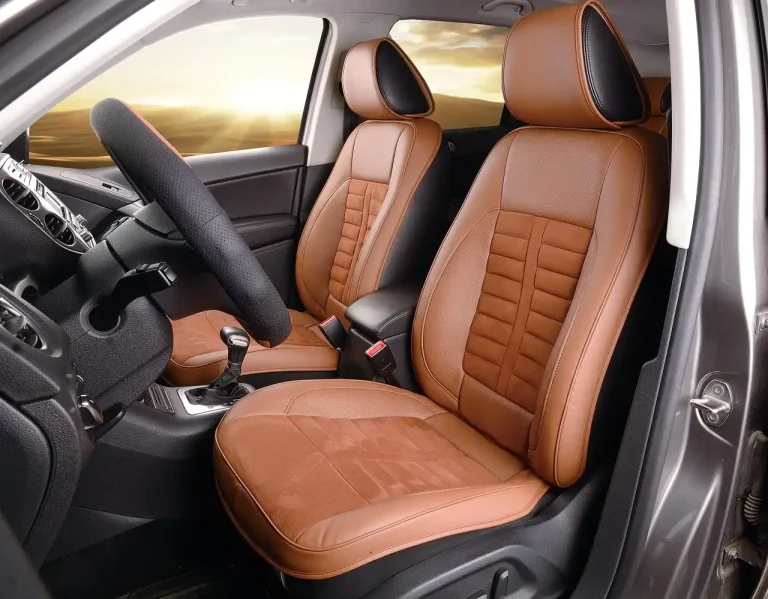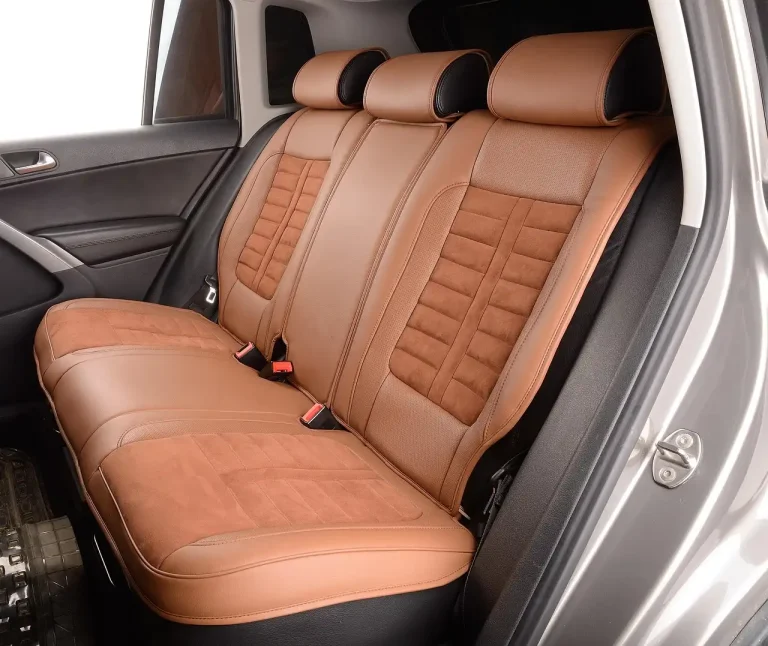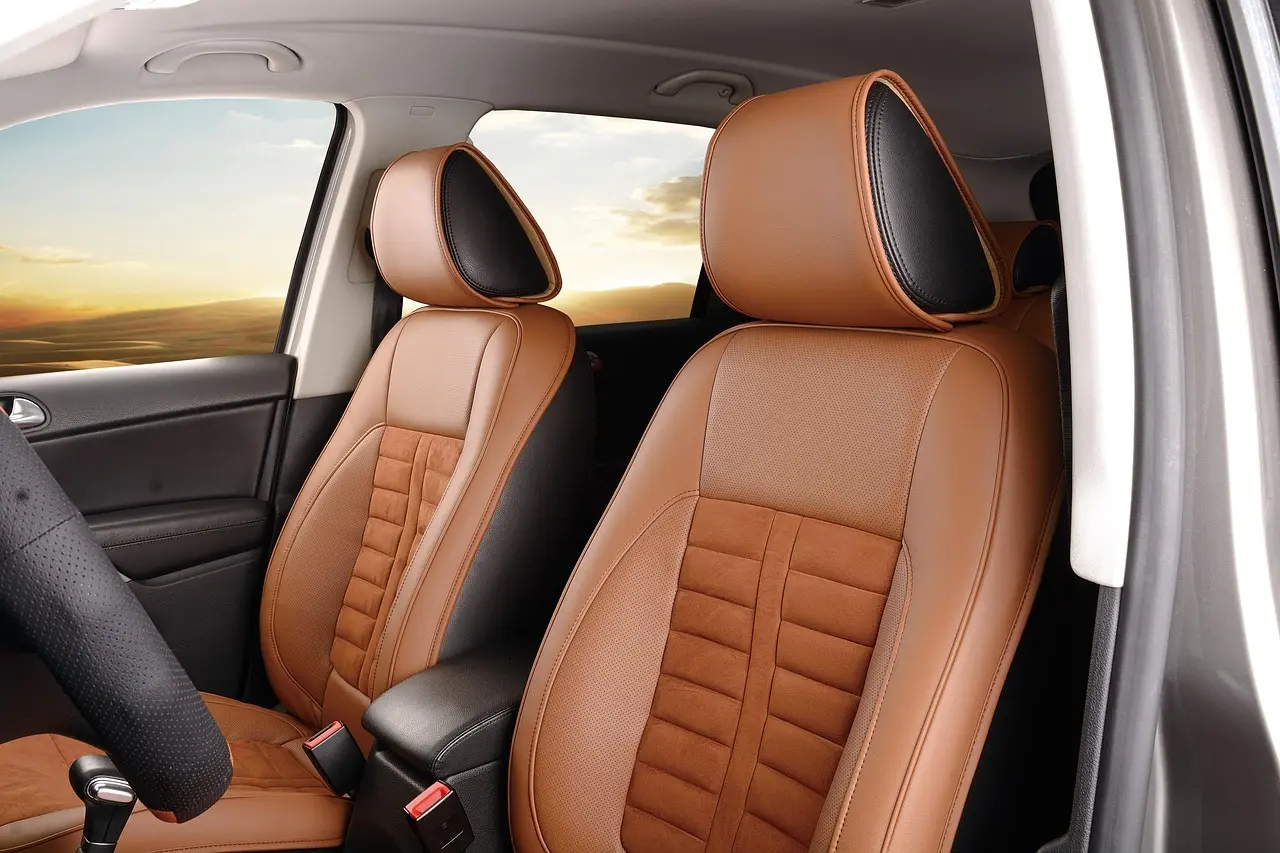
Do seat covers ruin seats or help protect them?
Seat covers help protect seats when they fit correctly, stay dry, and match the seat material. They can damage seats when they trap grit, hold moisture, or slip and rub, especially on leather and vinyl. Bad fit or ignored covers can wear bolsters, stain trim, and hurt resale value. This guide shows when covers help or harm cloth, leather, and vinyl seats, plus the warning signs to check after installation.
Safety and compatibility matter as much as appearance. NHTSA warns that aftermarket seat covers must not interfere with seat-mounted side airbags, and many automakers caution that covers should not block sensors, seams, or heated-seat systems. Moisture control also matters: trapped dampness can promote mildew in upholstery, and heat buildup can dry leather faster than normal use. If the goal is preservation, the cover has to protect the seat without creating a new problem under it.
How fit and material affect seat protection
Seat covers can do either. They act as a barrier over original upholstery, but the result depends on fit, material, and how the cover attaches. A snug, breathable cover can reduce dirt, spills, and wear. A loose cover that holds moisture can speed abrasion, staining, and seam stress.
The answer changes with seat material and climate. Cloth handles friction better than leather, but cloth also holds moisture, so a damp cover can raise odor and mildew risk. Leather resists surface dirt well, yet it is more sensitive to trapped heat and rubbing on bolsters. Vinyl sits between the two, but pressure marks and heat buildup still matter. In resale terms, preserving the original upholstery usually helps retain value, while cover-induced wear, stains, or heat marks can do the opposite.
Why cover choice affects resale and preservation
Buyers and appraisers tend to notice the condition of the original seats first. A well-fitted cover can preserve factory upholstery, which supports resale value when it prevents fading, staining, and abrasion. But if the cover leaves pressure marks, moisture staining, or seam wear, the protection goal fails and the seat can look worse than it would have without a cover. That is why the best preservation logic is simple: use a cover only when it is more protective than leaving the seat exposed.
Seat cover decision matrix
This matrix gives a practical rule: match the cover to the seat, then match both to the climate or use case. If the safest option still creates a fit or heat problem, the cover is the wrong choice for that vehicle.
| Seat material | Climate or use case | Safest cover type | Main risk | Inspection check |
|---|---|---|---|---|
| Cloth | Hot climate | Breathable custom-fit nylon | Heat buildup and sweat retention | Check for damp backing and hot spots after about 30 minutes parked |
| Cloth | Humid climate | Breathable custom-fit polyester blend | Condensation, mildew, odor | Lift the cover weekly and check for damp seams |
| Cloth | Kid or pet use | Custom-fit neoprene | Trapped grit rubbing into fabric | Look for loose corners and embedded debris under the seat bottom |
| Cloth | Daily commute | Semi-custom nylon | Friction wear at bolsters | Inspect the outside edge of the seat bottom for shine or pilling |
| Cloth | Heated seats | Thin breathable cover approved for heated seats | Heat loss and uneven warming | Confirm that heat passes evenly through the cover |
| Leather | Hot climate | Breathable custom-fit nylon | Heat drying and cracking | Check for excessive surface temperature and dry patches on the leather |
| Leather | Humid climate | Breathable semi-custom cover | Moisture trapped against the hide | Look for condensation on the underside after rain or wet clothing |
| Leather | Kid or pet use | Custom-fit neoprene | Grit and claw abrasion | Check if the cover shifts when entering and exiting the vehicle |
| Leather | Daily commute | Custom-fit nylon | Pressure marks and seam wear | Inspect seat bolsters for dents or shiny rub marks each week |
| Vinyl | Hot climate | Breathable semi-custom nylon | Heat absorption and surface imprinting | Check for tackiness or indentation after parking in the sun |
| Vinyl | Humid climate | Breathable custom-fit polyester blend | Condensation and odor under the cover | Lift the cover and inspect the contact area for moisture |
| Vinyl | Heated seats | Thin heat-compatible custom-fit cover | Uneven heat and control interference | Confirm controls, sensors, and heat output still respond normally |
Seat cover materials matter too. Neoprene is water-resistant and durable, so it works well where spills, pets, or wet clothing are common. Nylon is a good pick for wear resistance and daily use. Polyester blends can work, but cheap polyester blends may trap moisture and encourage mildew. Leather-look synthetics may fit the styling goal, yet they often run hotter and feel less breathable.
Suppose a driver with leather seats uses a loose, leather-look universal cover in a humid city. The cover may look neat for a week, then start holding sweat and rubbing the side bolster every time the driver slides in. The first sign is usually a shiny patch or pressure line, not a tear.
How should fit be evaluated?
Fit changes everything. Snug fit reduces slippage, loose fit can rub and wear upholstery, and too tight a cover can stress seams and material. That is why cover type matters less than many buyers expect. A well-cut universal cover can be fine in some cabins, but custom-fit covers generally protect better because they move less and cover more of the seat shape.
Damage usually starts at the contact points. Look at the seat bottom edges, shoulder bolsters, and any place where a strap, buckle, or hook pulls the fabric inward. If the cover bunches after entry and exit, it is already moving against the upholstery.
A common first-timer mistake is tightening the rear straps until the seat bottom looks smooth. That can pull the cover so hard that seams press into the cushion, especially on leather or vinyl. The result is a cleaner look and a worse load path for wear.
- Check whether the cover sits flat across the cushion and backrest.
- Look for wrinkles that return after one drive.
- Press the side bolsters and see whether the cover shifts more than a few millimeters.
- Inspect seam lines where hooks, zippers, or elastic bands pull hardest.
- Rework the attachment before driving again if the cover slides or binds.
What are the friction failure modes on cloth seats?
Cloth is less likely than leather to show immediate pressure dents, but it can still fail from repeated rubbing. The common problems are pilling, shiny wear, edge fray, and grit acting like sandpaper under the cover. If a seat cover shifts at the same spot every day, the cloth may wear smooth or fuzzy in a narrow band long before a tear appears. That is why clean contact surfaces and stable attachment points matter so much on fabric seats.
Which materials are safest by seat type?
For most drivers, the safest material is the one that stays dry, does not overheat, and fits the seat well. Neoprene and nylon are strong candidates because they resist wear and are common where durability matters. Breathable nylon usually suits daily commuting best. Neoprene is a better fit when water resistance matters more than maximum airflow.
Polyester blends can work, but only if the fabric is breathable and the backing does not hold water. Leather or leather-look synthetics can look neat, but they are riskier in hot climates and on heated seats because they can raise surface temperature and reduce ventilation. Memory foam covers are not designed for heated seats.
For leather seats, the safest option is usually a breathable, well-fitted nylon or similar custom-fit cover. Avoid thick, heat-holding layers that trap warmth against the hide, because too much heat can dry out leather and cause cracking. If the vehicle already has cooled or heated surfaces, check compatibility before buying. For more detail, see leather seat care and heated seat safety.
Cloth seats are usually more forgiving, but they need airflow and stable contact points to avoid friction damage. A breathable cover helps, while a loose one can create the rubbing that turns into pilling or shine. If the goal is broader cabin protection for children or pets, compare priorities with child and pet seat protection before choosing a material.
Can seat covers trap moisture or heat?
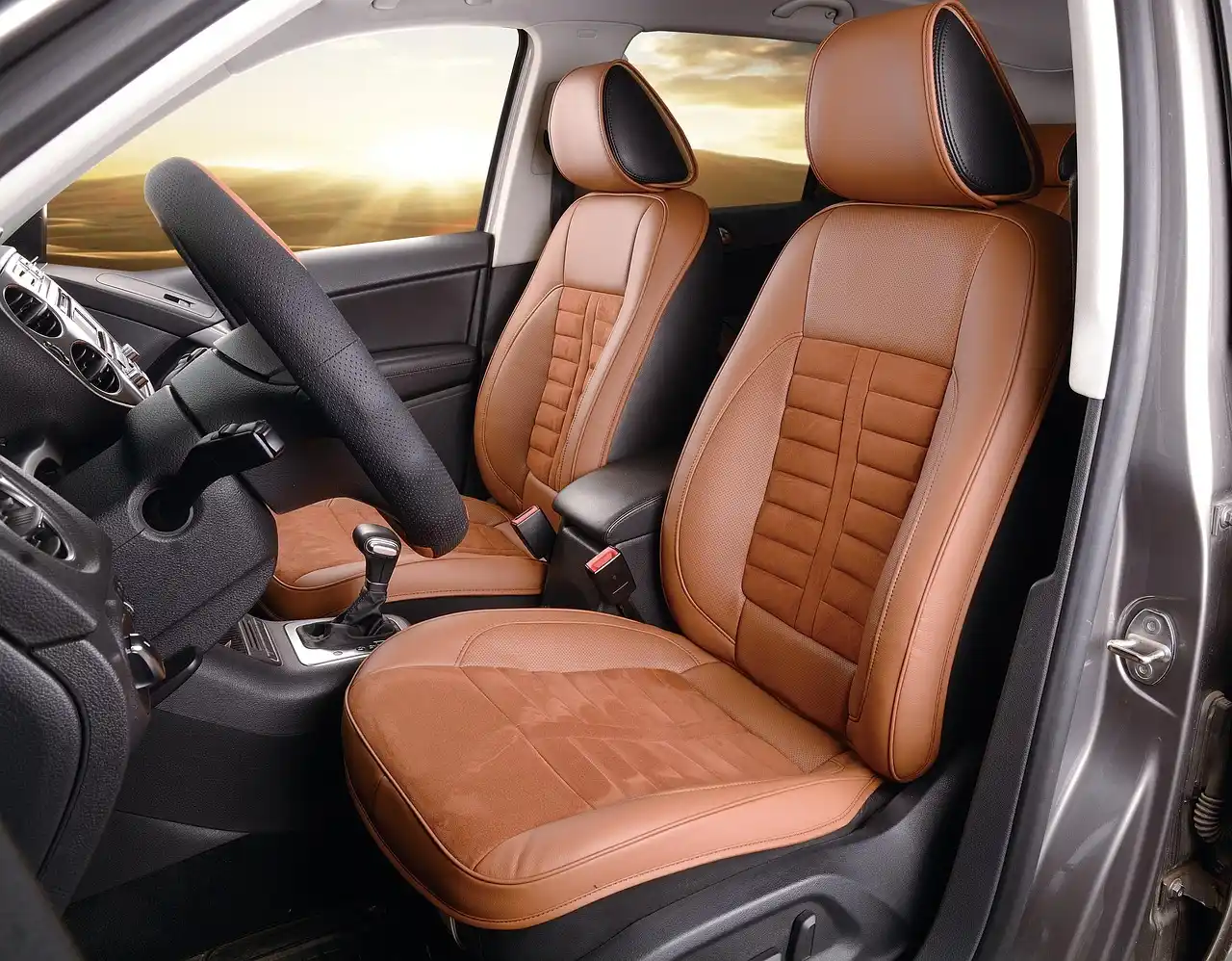
Yes. Seat covers can trap moisture, dirt, and debris that rub against upholstery, and that risk rises in humid climates or after spills. Condensation can form under non-breathable materials, then sit against the seat and the cover backing. That creates mildew and bacterial growth risk, especially when the vehicle stays closed for long periods. For cleaning help after damp storage or a spill, see cleaning mildew from upholstery.
Breathability matters because it lets the seat dry instead of staying damp. A cover that blocks airflow may still seem safe on a dry day, but the problem appears after rain, sweaty clothing, or a wet child seat base. Cloth seats are especially vulnerable because they absorb moisture quickly. Leather and vinyl are less absorbent, yet the trapped moisture still affects seams and trim.
What to inspect after wet weather or a spill: lift the front edge, feel the underside, and check for a cool damp patch. Smell the cover and the seat base. A sour odor, darkened cloth, or sticky backing means the material is holding moisture too long.
What happens with heated seats and leather care?
Heated seats can make a bad cover choice more obvious. Thick or non-breathable covers can create a sauna effect, slow heat transfer, and hold warmth against leather or vinyl. That is a concern because heat can dry out leather and also make vinyl feel tacky or stressed over time. Leather also benefits from regular conditioning and careful heat exposure, so a cover that traps warmth can work against basic leather care.
Memory foam seat covers are not designed for heated seats. Leather-look synthetics can also trap more heat than expected. A thinner, breathable cover is the better path, but only if it does not shift or wrinkle over the heater zones. If the vehicle has heated and cooled surfaces, check compatibility before use.
Picture a sedan with heated leather seats and a thick cover that feels fine in winter. After a few commutes, the driver notices uneven warmth and a pressure mark where the cover bunches at the lower back. That is a sign the cover is blocking heat flow and loading the upholstery at one point.
What should be checked before installation?
Installation is where many covers go wrong. Compatibility should be checked because some covers interfere with airbags or seat sensors. Fit should also allow the seat’s moving parts, switches, and trim to work without tension. If the cover blocks a sensor or compresses an airbag seam, it is the wrong product for that seat. NHTSA and vehicle manufacturers caution that seat-mounted side airbags, occupant sensors, and seat controls must remain unobstructed.
Use the following check before driving:
- Confirm airbag-safe fit for the specific seat and trim.
- Check that seat sensors, latches, and adjustment controls remain exposed where required.
- Inspect tension points at hooks, buckles, Velcro tabs, elastic straps, and zippers.
- Make sure the cover does not twist the seatback or pull the cushion off-center.
- Verify the cover does not block heated-seat controls or cooling vents.
Weekly, look for slipping, bunching, wrinkles, and pressure marks. Monthly, remove the cover enough to inspect the seat itself for shiny wear, damp spots, grit, or seam stress. If the cover leaves an imprint on leather or vinyl, the fit is too tight or the material is too stiff. If it creeps sideways every time someone enters the car, it is too loose or the attachment points are weak.
If the original seats are already worn, stained, or cracked, a cover can help stabilize the condition, but it will not reverse damage. On cracked leather, use a breathable, smooth-fitting cover and avoid hard edges that dig into the fracture lines. On stained cloth, clean the seat first if possible; otherwise, a cover can hide the damage while preventing further wear, but only if moisture does not get trapped underneath.
For shoppers comparing options, the choice between a tailored product and a basic universal one often comes down to fit, ventilation, and how much original upholstery protection is needed. If that tradeoff is unclear, compare the pros and cons in custom-vs-universal seat covers.
Frequently asked questions
Do seat covers ruin car seats over time?
They can, if they fit poorly or hold moisture. Loose covers rub against bolsters and seams, while overly tight covers can stress material and stitching. A breathable cover that stays in place usually protects more than it harms, especially when the seat sees daily use or pets, kids, or spills.
Can seat covers actually protect upholstery instead of damaging it?
Yes. Seat covers can protect upholstery from wear and tear, dirt, spills, and UV-related fading when they fit correctly and are kept clean. The protection is strongest on seats that see heavy entry and exit traffic. The benefit drops fast if the cover shifts, traps grit, or stays damp.
What seat cover material is safest for leather seats?
A breathable, well-fitted nylon cover is often the safest choice for leather because it limits heat buildup and rubbing better than thicker, less breathable materials. Neoprene can work when water resistance matters, but it should not trap heat against the hide. Avoid thick covers that press hard into seams.
How do I know if a seat cover fits too tightly or too loosely?
A too-tight cover pulls seams, dents the cushion, or makes the seat look stretched at the edges. A too-loose cover slides, wrinkles, or bunches after entry and exit. If the cover shifts more than a little when you sit down, or leaves a hard crease in the upholstery, the fit is wrong.
Can seat covers trap moisture and cause mildew?
Yes. Non-breathable materials and cheap polyester blends can trap moisture, especially in humid weather or after a spill. That can lead to condensation, odor, mildew, and bacterial growth under the cover. The fix is usually better airflow, a drier backing material, and more frequent inspection of the contact area.
What seat cover types are best for daily use?
For daily use, a custom-fit or semi-custom cover in breathable nylon or a comparable durable fabric is usually the safest bet. It should stay put, allow airflow, and avoid hard attachment points where the cover rubs the seat. For families or pets, neoprene is useful if heat buildup is controlled.
How do I avoid seat cover friction damage on cloth seats?
Choose a snug cover that does not slide on the fabric and check the side bolsters often. Keep the seat and the underside of the cover clean, because trapped grit acts like sandpaper. If pilling or shine appears at the same spot every week, the fit or material is too aggressive.