Can you change tire size on the same rim?
Yes—if the new tire keeps the same rim diameter, stays within the tire maker’s approved rim-width range for that wheel, and clears the vehicle at full lock and full suspension travel, you can change tire size on the same rim. If any of those checks fail, the swap can cause bead-seat problems, rubbing, handling changes, or speedometer error. For the safest result, compare the proposed size against the vehicle placard, the owner’s manual, and the tire maker’s fitment chart, then verify the change with a tire size calculator and the vehicle’s load and speed requirements.
Fitment limits for changing tire size
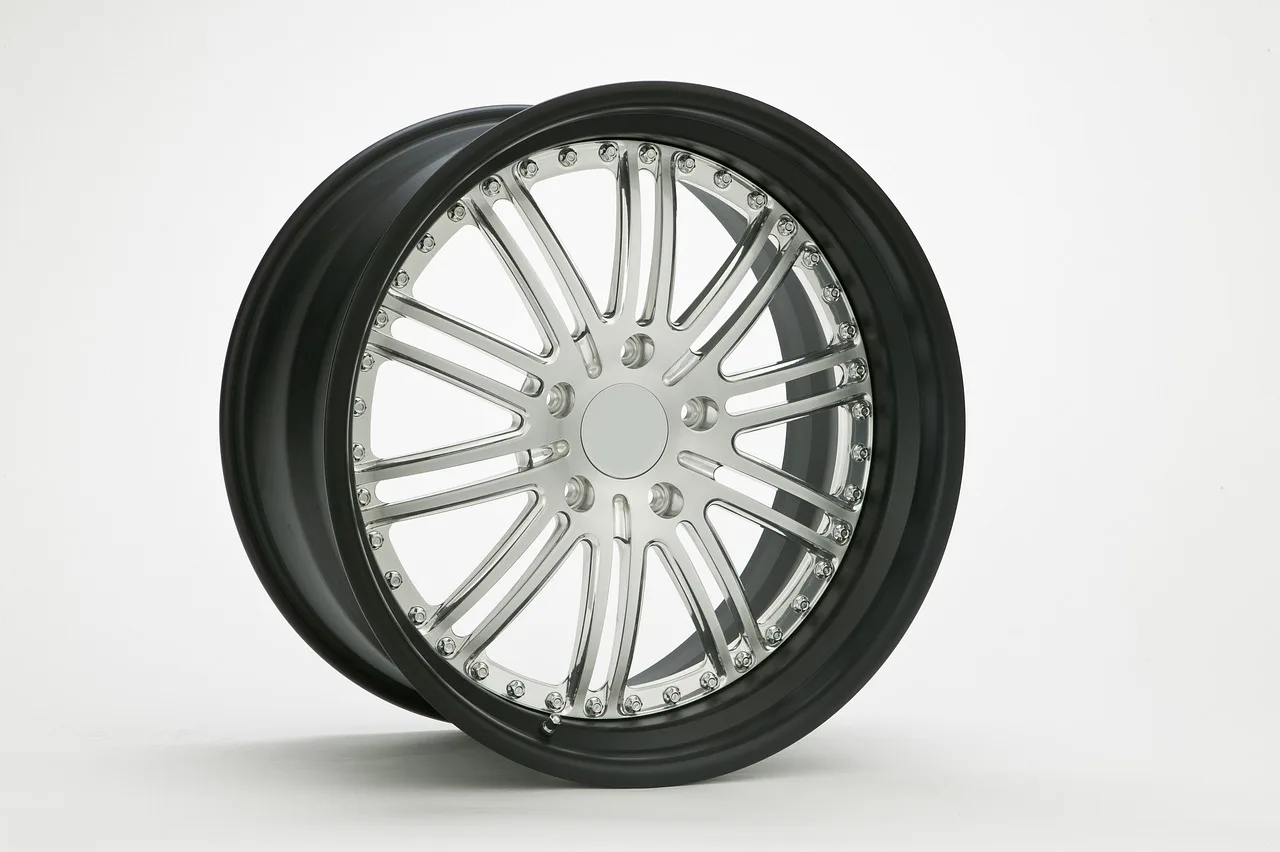
Yes, but only within fitment limits. The rim diameter must match the tire’s bead diameter exactly, so a 16-inch tire needs a 16-inch rim and a 17-inch tire needs a 17-inch rim. After that, the approved rim-width range, overall diameter, load index, speed rating, and vehicle clearance determine whether the swap is acceptable.
That matters because diameter and width are not the same thing. Rim diameter is the bead-seat size. Rim width is how much tire the wheel can support without poor bead seating, a pinched profile, or excessive sidewall bulge. Tire makers publish approved rim-width ranges for this reason, and vehicle makers usually list approved fitments in the door placard or owner’s manual.
What must match before you change size?
Start with the bead diameter. The tire’s inner diameter must match the rim diameter exactly, or the tire will not seat correctly. A close-looking size is not enough if the diameter is wrong.
Then check the approved rim-width range for that tire size. A tire can only move wider or narrower within the range the tire maker approves. Outside that range, the bead seat, tread shape, and load distribution can be compromised. For a practical reference, see a tire maker’s fitment chart and a wheel-width guide such as the site’s tire size calculator.
Rim diameter vs. rim width
Rim diameter is the hard stop. Rim width is the variable. A tire may physically mount on a wheel, but that does not make the fit approved or safe. The correct setup depends on the wheel’s width, the tire maker’s rim-width chart, and the vehicle’s own clearance limits.
As a plain example, a wider tire may be acceptable on one wheel width and not another. That is why wheel size charts and tire maker charts should be checked together rather than guessing from the numbers alone.
What tire sizes fit the same rim?
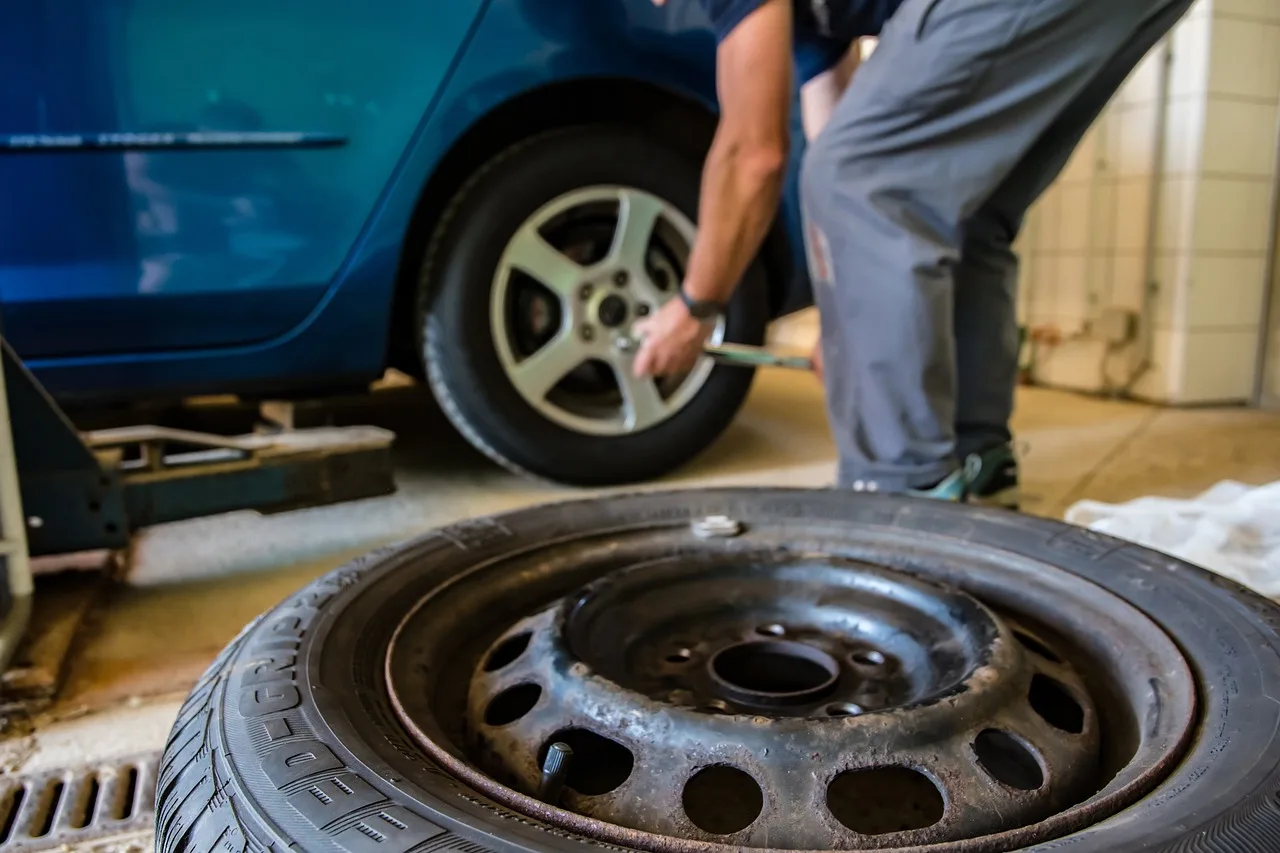
Any tire that shares the same rim diameter and falls within the approved rim-width range can be a candidate. The remaining checks are overall diameter, load index, speed rating, and vehicle clearance. The vehicle placard and owner’s manual are the first places to look for the manufacturer’s intended fitments, and tire maker charts are the next source for confirming approved widths.
For a simple way to compare options, use the size breakdown in the owner’s manual, then check the effects of width and diameter together. If you also need related fitment context, see the site’s load index guide and speed rating guide.
| Example change | Exact rim-diameter match? | Tire-maker approved rim-width range? | Overall diameter change % | Likely speedometer effect | Rubbing risk points | AWD suitability |
|---|---|---|---|---|---|---|
| 205/55R16 to 205/60R16 | Yes, if the wheel stays 16-inch | Check the tire maker’s chart for 205 mm width on your wheel width | About +3.1% | Speedometer reads lower than actual road speed | Inner liner, strut, fender lip, full compression | Usually not ideal unless the vehicle maker allows the size and all four tires match |
| 205/55R16 to 215/55R16 | Yes, if the wheel stays 16-inch | Maybe, depending on the wheel width and the tire maker’s approved range | About +1.7% | Slightly lower than actual road speed | Inner liner, strut, spring perch, outer fender at lock | Possible only if all four tires match and the vehicle maker accepts the change |
| 205/55R16 to 225/55R16 | Yes, if the wheel stays 16-inch | Often no on narrower wheels; verify the tire maker’s chart | About +4.9% | Speedometer reads noticeably lower than actual road speed | Outer fender, inner liner, strut, suspension compression | Usually poor for AWD unless the vehicle maker specifically approves the larger diameter |
| 205/55R16 to 225/50R16 | Yes, if the wheel stays 16-inch | Maybe, depending on the wheel width and the tire maker’s approved range | About -0.1% | Very small change; speedometer effect is minimal | Width can still affect strut, liner, and fender clearance | More likely acceptable if all four tires match and width is approved |
| Different-size tires side to side on the same axle | Usually not the same | Depends on each tire and wheel | Can vary widely | Can confuse ABS, traction control, and speed calculations | Unpredictable | No |
The table is a decision aid, not a substitute for the vehicle placard or the tire maker’s fitment chart. If a proposed size is not listed by the vehicle maker or supported by the tire maker for your wheel width, treat it as unapproved until confirmed by the manufacturer.
Worked example: 205/55R16 to 215/55R16. The rim diameter still matches, but the tire becomes wider and the overall diameter grows by about 1.7%. That is small enough that speedometer error is usually modest, but the wider section can move closer to the strut, liner, or fender lip. It passes only if the wheel width is within the tire maker’s approved range and clearance remains safe.
Worked example: 205/55R16 to 225/50R16. The rim diameter still matches, and the overall diameter changes by about 0.1%, so the speedometer effect is minimal. Even so, width is larger, so the swap still needs the tire maker’s approved rim-width range and a clearance check. This is the kind of change that can look safe on diameter alone but still fail on width or rubbing.
How to compare a proposed size
Use the same-rim rule first, then compare the full size. A tire size calculator helps show whether the new size stays close to the original overall diameter, but the calculator cannot replace the tire maker’s rim-width range or the vehicle maker’s approved fitments.
If the proposed size is close in diameter but not approved for the wheel width, it still fails. If it is approved for the wheel width but too large for the wheelhouse, it also fails. Fitment only works when all of the checks line up.
How do diameter changes affect speedometer and handling?
Overall tire diameter is what changes speedometer and odometer accuracy, because the tire travels farther or shorter with each revolution. If the new diameter is larger, the speedometer usually reads low. If it is smaller, the speedometer usually reads high.
That same diameter change also affects gearing feel and vehicle response. A larger tire can soften acceleration slightly and may alter shift behavior on some vehicles. A smaller tire can make the vehicle feel more responsive but may increase engine speed at a given road speed.
Worked diameter examples
For 205/55R16, the overall diameter is about 631.9 mm. For 215/55R16, it is about 642.9 mm, which is roughly a 1.7% increase. That means the vehicle will travel a little farther per revolution, so the speedometer will read slightly lower than actual speed.
For 205/55R16 to 225/50R16, the overall diameter is about 631.4 mm, which is roughly a 0.1% decrease. That is close enough to the original diameter that speedometer effect is usually minimal, but width and clearance still must be checked.
If you need to compare more sizes, a calculator is useful for the diameter math, but the final decision still depends on the tire maker’s fitment chart and the vehicle’s clearance requirements.
Will it rub or fail clearance checks?
It can. Clearance has to be checked at full steering lock and full suspension travel, because a tire that clears in the driveway can still rub when the wheel turns or the suspension compresses. Rubbing is a fitment failure even if the tire mounts correctly.
Check the inner liner, strut, spring perch, brake components, and outer fender lip. A wider tire, a taller diameter, or a wheel with a different offset can move the tire closer to those contact points. If the vehicle also has altered offset or wheel spacing, see the site’s wheel offset/clearance guide.
How to know if a tire is too wide for your rim
Check the tire maker’s approved rim-width range and compare it with your wheel width. If the wheel is outside that approved range, the tire is either too pinched or too stretched for the wheel. Either condition can affect bead seating, wear, and stability.
The wheel width check comes before the clearance check, but both matter. A tire can be approved for the rim width and still rub the body or suspension. It must pass both tests.
Do you need to change all four tires if you change tire size?
For AWD and many 4WD setups, the tires need to match closely. Those drivetrains are sensitive to diameter differences, so all four tires should be the same size and similarly worn unless the vehicle maker gives a specific exception. Mixed diameters can create extra load in the center differential, coupling, or transfer case.
That is why AWD tire replacement rules are stricter than for many two-wheel-drive vehicles. If you need a deeper explanation of the drivetrain side of the decision, see the site’s AWD tire replacement rules.
On pickups and towing setups, load index becomes especially important. A tire that fits the rim and clears the wheelhouse can still be wrong if its load capacity is below the vehicle’s requirement. Always verify the placard, then confirm the load index and speed rating in the owner’s manual.
Approved fitments and clearance
Approved fitments are the sizes the vehicle maker has already accepted. The placard on the driver’s door jamb and the owner’s manual should be checked before buying anything. Tire maker charts then help confirm whether the proposed width is approved for your rim width.
If your proposed size is outside the approved fitment list, do not assume it is acceptable just because it mounts on the wheel. A mounted tire can still be the wrong choice if the diameter, width, or load rating does not match the vehicle’s needs.
Checklist before changing tire size on the same rim
- Read the door-jamb placard and the owner’s manual for the approved sizes.
- Confirm the rim diameter matches the tire’s bead diameter exactly.
- Check the tire maker’s approved rim-width range for that tire size.
- Verify the load index meets or exceeds the vehicle requirement.
- Verify the speed rating meets or exceeds the approved spec for normal use.
- Compare the proposed overall diameter with the original size.
- Check full-lock and full-compression clearance at all four corners.
- For AWD or 4WD, make sure all four tires match closely.
If any step fails, the size change is not a good fit. The most common mistakes are ignoring rim width, choosing a diameter that changes too much, or forgetting that AWD systems are sensitive to mismatched tire sizes.
Frequently asked questions
Can you change tire width on the same rim?
Yes, but only within the wheel’s approved width range and the tire maker’s approved fitment range. Width changes the sidewall shape, bead seating, and clearance. A wider tire can fit the same rim diameter and still be wrong if it is outside the approved range or rubs the vehicle.
Can you put a different tire size on the same rim?
Yes, if the rim diameter matches exactly and the new tire stays within approved width, load, speed, and diameter limits. A different size is safe only when the full fitment works together. A tire that mounts without trouble can still be unsafe if the width or diameter is off.
What tire sizes fit the same rim diameter?
Sizes with the same bead diameter can fit the same rim diameter, but only if the width range and overall diameter are acceptable. The best source is the vehicle placard or owner’s manual, with the tire maker’s fitment chart used to confirm approved rim widths.
Will a different tire size affect my speedometer?
Yes, if the overall tire diameter changes. A larger diameter usually makes the speedometer read lower than actual road speed, while a smaller diameter usually makes it read higher. The larger the change, the more important it is to verify the effect with a calculator and the manufacturer’s fitment guidance.
What happens if the new tire size rubs?
Rubbing can damage the sidewall, wear the tread or liner, and create steering or suspension noise. It often shows up at full lock, during suspension compression, or when the vehicle is loaded. If a tire rubs, the fitment is not acceptable even if the wheel and tire can be mounted together.
Can you change tire size without changing rims?
Yes, sometimes. The rim diameter must still match the tire’s bead diameter, but the tire width and aspect ratio can change if they remain inside approved limits. The real check is whether the new size keeps the proper load rating, speed rating, diameter, and clearance on your vehicle.