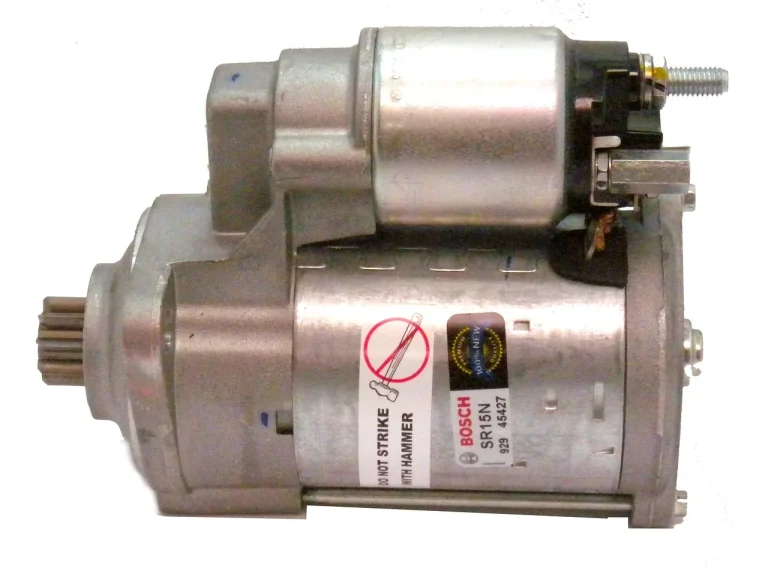
Can you check vehicle accessories by VIN before ordering parts?
Yes for many OEM accessories, but not all: a VIN confirms fitment only when the part is tied to the exact trim, package, or build code. Universal items and connector-sized parts still need extra checks. A wrong order can waste money, delay a repair, and leave you with a part that bolts in but does not work. This guide separates universal, VIN-dependent, and dimension- or connector-dependent accessories so you know when VIN lookup is enough and when it stops.
VIN fitment basics
What a VIN can reveal
A VIN is a 17-character vehicle identifier used on vehicles built since 1981. It identifies origin, specifications, and production details. Position 9 is a check digit for transcription errors, position 10 encodes the model year, and positions 12–17 are the production sequence number.
For parts shopping, that matters because the VIN can decode the exact vehicle configuration instead of a broad year/make/model guess. It can point to the right engine code, transmission type, drivetrain, and often the factory options tied to the build.
Why VIN lookup is more precise than year/make/model
Year/make/model lookup is a first-pass filter. It is broader and less precise than VIN decoding, and it can miss trim-level changes and mid-year running changes. A single model year can also offer multiple engine options, such as 2.7L EcoBoost, 3.5L EcoBoost, or 5.0L V8.
That is why the same listing can fit one version of a vehicle and fail on another with the same badge. Trim level matters too. Base, Sport, and Limited can change brakes, suspension, wiring, and option content.
Where to find the VIN
You can usually find the VIN on the dashboard at the base of the windshield, on the driver door jamb label, and on registration or insurance documents. The exact location can vary by vehicle, but the number should match across the vehicle and paperwork.
If the VIN plate is missing, damaged, or hard to read, stop and verify the number from the title or registration before ordering. A partial or mistyped VIN can send a catalog to the wrong configuration.
Which accessories a VIN can verify?
A VIN helps most with accessories that depend on the exact build, option code, or electronic setup. It is less useful for universal items and only partly useful for parts that depend on shape, connector type, or measurement. That distinction matters because accessories are not all fitment risks in the same way.
VIN-dependent accessories
These are the items most likely to benefit from a VIN check: infotainment modules, tow-prep components, some sensor-related add-ons, and OEM accessories that change with trim or package. VIN decoding is especially important for safety-critical parts and modules like ECUs, where the wrong variant can create faults or no-communication problems.
Universal accessories
Some items are not VIN-dependent at all. Skip VIN lookup for generic accessories like floor mats and phone mounts, because these usually depend on cabin dimensions, mounting style, or personal preference rather than a vehicle-specific build code.
Universal does not mean identical quality or identical coverage. It means the VIN is not the main fitment tool.
Dimension- and connector-dependent accessories
These parts sit in the middle. LED bulbs, roof rack crossbars, and some sensor-related add-ons may appear in VIN-based catalogs, but you still need measurements, connector photos, socket shape, or clip style. A VIN can narrow the vehicle, yet the final fit may still depend on the physical part design.
Say your VIN points to the right headlamp option, but the replacement bulb uses a different base style. The catalog can be correct for the vehicle and still be wrong for the socket.
Check vehicle accessories by decision table
This table separates three fitment risk levels. Use the VIN first when the part is vehicle-specific. Use measurements or connector checks when the accessory depends on physical shape, mounting points, or plug style. Universal items usually need the least decoding.
| Accessory type | Whether VIN check is useful | Extra verification still required |
|---|---|---|
| Floor mats | Usually limited use | Cabin floor shape, row count, cargo area dimensions, retention clips |
| LED bulbs | Useful, but not enough alone | Bulb base type, socket shape, beam pattern, housing clearance |
| Roof rack crossbars | Sometimes useful | Roof type, rail style, crossbar spacing, clamp or foot dimensions |
| Infotainment modules | Very useful | OEM part number, screen size, connector count, software or coding requirements |
| Tow-prep accessories | Very useful | Tow package code, wiring style, hitch class, connector configuration |
| Sensor-related add-ons | Useful, but verification is critical | Sensor mounting depth, bracket shape, connector type, calibration needs |
Can a VIN tell you if a part fits?
Yes, often. A VIN can tell you if a part fits when the accessory is tied to the exact trim, engine, drivetrain, transmission, or factory package. It is strongest when the catalog uses the VIN to decode the vehicle’s exact configuration and match it to an OEM part number.
When VIN is enough
VIN lookup is often enough for OEM accessories that are built around option codes, module variants, or package-specific hardware. If the catalog returns one exact OEM part number and the seller’s notes match the decoded vehicle data, that is a strong signal.
That still confirms fitment data, not build quality. A VIN can show that a part should fit the vehicle; it cannot tell you whether the part is well made.
When VIN still leaves options open
VIN-based matching can still return multiple valid options for the same vehicle. That happens when a model year offers more than one engine, when trim changes equipment, or when a mid-year production change splits the catalog. Production date can matter as much as model year.
Suppose two vehicles share the same model year and trim, but one was built before a running change to the wiring harness. Both can decode correctly and still need different modules or connectors.
Why build date can matter
Mid-year production changes can make parts differ within the same model year. A build date can decide which bracket, connector, or module revision you need. That is why a VIN check should be paired with the production date when the listing mentions “before” or “after” a specific build date.
What details still matter after a VIN check
A VIN check is a strong filter, not the final step for every accessory. Trim level, engine type, transmission type, drivetrain, production date, and OEM part number can all change compatibility. If a catalog stops at the VIN and ignores those details, treat the result as incomplete.
Trim level
Trim can change more than interior trim pieces. Base, Sport, and Limited can carry different brakes, suspension pieces, sensors, harnesses, and option packages. After decoding the VIN, confirm the trim-specific equipment list.
Engine type
Engine size and configuration affect compatibility. A 2.5L 4-cylinder and a 3.5L V6 may share a body shell, but the accessory mount points, brackets, or module calibration can differ. VIN decoding should confirm the engine code, not just the badge on the tailgate.
Transmission type
Manual, automatic, and CVT variants can affect driveline and module compatibility. Some accessories are tied to shifter layout, tunnel shape, transmission cooling, or transmission control logic. If the listing separates transmission types, do not ignore that filter.
Drivetrain
FWD, RWD, AWD, and 4WD can affect axles, driveshafts, transfer cases, and related parts. Even accessories that seem simple can have different brackets or routing depending on drivetrain. VIN decoding should confirm which layout the vehicle left the factory with.
OEM part number
The OEM part number is the best cross-check after VIN decoding. It reduces guesswork because it ties the listing to a specific factory part revision. If the seller shows an OEM number, compare it with the number from the vehicle’s catalog entry or old part label before ordering.
Why part listings ask for your VIN
Part listings ask for your VIN to narrow the catalog by the vehicle’s actual build, not just its model name. That lets the seller filter by options, decode compatibility, and reduce wrong-part returns. It can also help when a single vehicle platform has several hardware variations.
Catalog filtering
Some catalog systems use the VIN to screen out incompatible choices before you reach checkout. That is helpful when the same vehicle year uses different connectors, module revisions, or trim-specific hardware.
Option-code matching
VIN lookup can map the vehicle to factory codes for packages such as tow prep, heated equipment, or upgraded audio. Those codes often decide whether a part is plug-and-play or needs extra hardware.
Reducing wrong-part returns
VIN-based matching can reduce fitment errors by up to 40%. That figure reflects why sellers ask for it: it helps avoid returns caused by broad year/make/model guesses. Some compatibility checkers also support searching by part number, which is the next best cross-check after VIN decoding.
How to order the right accessory
Start with the VIN, then confirm the details the catalog cannot fully settle on its own. The right order comes from matching the decoded vehicle, the OEM number, and the physical part design. That sequence is faster than guessing by model year alone.
Step-by-step order check
- Enter the full 17-character VIN and confirm the decoded year, plant, serial sequence, trim, engine, transmission, and drivetrain.
- Check the listing for the exact OEM part number, not just a generic description.
- Compare any build-date notes in the listing with the vehicle’s production date.
- For bulbs, racks, and connector-based accessories, verify measurements, socket shape, connector count, and mounting points.
- If the listing shows more than one valid option, use the old part number or the removed part’s label to choose the final match.
Common first-timer mistake
A common first-timer mistake is ordering a roof rack crossbar kit because the VIN matches the vehicle, then discovering the car has raised rails while the kit is for flush rails. The VIN was useful, but the roof style still had to be checked by eye and by measurement.
What to do if the VIN match is wrong
If a VIN says a part fits but it does not fit after delivery, do not assume the seller is wrong or the catalog is right. Check the build date and option codes first, then compare the old part number, then contact the seller with photos and VIN data. Many mismatches come from a running change, a connector variation, or an outdated catalog entry.
Check build date and option codes
Look for the production date on the door-jamb label or paperwork. If the listing splits fitment “before” or “after” a certain date, that date may be the real divider. Option codes can also explain why two vehicles with the same VIN family need different accessories.
Compare the old part number
If you removed the original part, read the OEM number off the housing, label, or packaging. That is often the cleanest proof when the catalog entry is unclear. It also helps if the seller’s data is based on a partial VIN decode.
Contact the seller with photos and VIN data
Send clear photos of the old part, connector, mounting points, and any labels. Include the VIN, build date, and OEM part number from the listing if available. That gives the seller enough information to check for catalog gaps or superseded numbers.
Frequently asked questions
Can you check vehicle accessories by VIN before ordering parts?
Yes, and that is often the best starting point for OEM accessories. A VIN can identify the vehicle’s origin, specifications, and production details, then narrow the part to the exact trim, engine, transmission, and drivetrain. It still may not be enough for dimension-based accessories.
Will a VIN tell me if a part fits my car?
Often, but not always. A VIN can help confirm fitment for many vehicle-specific accessories and modules, but universal items and connector-dependent parts may still need measurements, connector checks, or a part-number match. Treat the VIN as a strong filter, not the whole answer.
Do I need my VIN to order the right auto part?
Not for every part, but it is wise for many OEM accessories and anything tied to a trim package or module variant. Year, make, and model can be enough for simple items, yet the VIN is more accurate when the vehicle has mid-year changes or multiple engine options.
What part details still matter after a VIN fitment check?
Trim level, engine code, transmission type, drivetrain, production date, and OEM part number still matter. Those details can split fitment within the same model year, especially when the catalog lists more than one valid option for the same VIN family.
Can a VIN fitment check confirm accessories like bulbs or floor mats?
Only partly. Floor mats are usually better checked by cabin shape and retention style, while bulbs still need socket and base verification. A VIN can narrow the vehicle, but it does not replace a physical check for size, clip style, or connector shape.
Why can a VIN still show multiple fitment options?
A single VIN can still return multiple valid options when the vehicle has different factory packages, a mid-year running change, or several engine and drivetrain combinations within the same model year. In those cases, build date and OEM part number usually decide the final match.